The official name of Laos is the Lao People's Democratic Republic (PDR), although the acronym represents the country equally well as Please, Don't Rush. Lao people and the pace in which things are done in the country is very relaxed and without worry. A key idea in Lao is represented by a common phrase, bo pen yung, meaning no problem. Big muddy puddle in the middle of the road? Bo pen yung, drive on through on the motorbike, the mud won't hurt you. Pigs escape from their pen in the middle of the night again? Bo pen yung, they won't cause too much damage if you wait til morning to put them back in again.
When working with Lao people or trying to accomplish something in Laos, it is important to keep that idea in mind. Happenings in Laos can be unpredictable, sometimes the power or running water may go out for a few hours or a few days, and you will fare a lot better if you assure yourself that it doesn't need to be a problem to you. Flexibility is key. The plus side, of course, is that Laos is an incredibly relaxed place to travel and rules are flexible.
Vang Vieng, the town near where I am volunteering, is a tourist hub. One of the most popular things to do in the area is to rent an innertube and float down the Nam Song River, while stopping at the various bars along the way (good article about this here). It is also very popular to rent a large tuk-tuk, bicycle, or just walk around the area, including the Blue Lagoon, right next to where SaeLao is. Some of the local children who live on the road to the Blue Lagoon have been trained by all of the tourists passing through. When a Westerner is spotted, they run into the street to beg for money or food. The downsides of tourism are very evident around Vang Vieng.
A week or so before October ended we headed north to the beautiful and very tourist-friendly city of Luang Prabang. There's a lot of French influence, many of the locals speak French and there is even a bilingual Lao-French school. One of the most memoriable things we did there was give blood at the Lao Red Cross. It wasn't too different from giving blood in the US, except the nurses didn't speak English (although the main doctor did). After giving they gave us strawberry cakes (from Thailand), strawberry milk (also Thai) and Lao Red Cross t-shirts! They took a photo of us wearing the shirts and printed off the photo for us. The language barrier did not fail to convey the generousity of the nurses and doctor.
Another highlight of Luang Prabang was the Ethnik Fashion Show at Hive Bar. Eighteen students work as models to pay for their schooling, sporting 95 different traditional costumes made by ethnic minorities in Laos. The costumes were incredibly beautiful and there was some information about the minority groups that they came from. If you are interested in minority groups I would strongly recommend the book The Spirit Catches You and You Fall Down by Anne Fadiman. It is about Hmong refugees in the US who have a daughter with epilepsy and the clash between their culture and that of their American doctors. A truly amazing book which does an incredible job of explaining both sides of the story.
After giving blood we bicycled to the Luang Prabang's UXO (unexploded ordinance) Center. More than 2 million tons of ordinance were dropped on Laos between 1964-1973, making Laos the most bombed country in the world per capita, according to the center. Of this ordinance, there were 270 million submunitions from cluster bombs, up to 30% of which did not explode on impact as they were supposed to. The country is also littered with artillery and mortar shells, mines and rockets. Someone dies roughly everday in Laos because of UXOs, and many more are hurt because of them.
In parts of Laos where there are the most UXOs (around the Plain of Jars and the Ho Chi Minh trail along the border with Vietnam) there is education about UXOs, teaching the villagers to stay away. However there are still countless stories of accidents happening, or city kids coming to visit and not knowing better. Additionally, it is many of the poorest provinces that have the most UXOs, and also the lowest amount of tourism. Despite the risks involved, the scrap metal from the UXOs is a way for villagers to make a high profit.
When travelling in less developed countries such as Laos, I think it is important to not just have a good time, but to learn about the issues impacting the local people, and the colorful cultures inside of the country.
Friday, November 11, 2011


Friday, October 7, 2011
SaeLao Project, Nathong Village
For the past month I have been volunteering at Saelao Project and having a wonderful time. Last weekend I went to Vientiane, the capital, and then crossed the border into Thailand just to come back again and get a new Laos visa. I now have another month before having to do the same thing again (why isn't there a multiple-month visa? My passport is running out of pages).
I have enjoyed not having to change locations over the past month, and calling a bungalow my home. Apart from the many large spiders, occasional unwelcome visitors under my pillow (six inch centipede, lizards) and small raindrops that leak through during a major downpoar, the bungalow is very comfortable and quite cozy. My feet and legs are covered in many mosquito bites (but no worries, cause there hasn't been a reported case of malaria in the area for ten years), but my body is happier than it was in Vietnam and my hair is growing - about three centimeters long right now and getting to the "awkward stage."
Going on the internet requires walking (two hours), biking (45 minutes) or motorbiking (25 minutes) seven kilometers along a very "interesting" road from Nathong village to the nearest town, Vang Vieng. Vang Vieng is set against limestone karsts and the a beautiful river, which unfortunately the tourists have picked up on. Tubing down the river and visiting the various bars along the way has exploded as the most popular thing for tourists to do in Laos, which in turn is harming the local culture and disturbing the serene environment. Check out the local's opinion on that in the article Down The Tube (the director of Saelao, Sengkeo/Bob, is quoted in it).
Luckily, at Saelao we get to enjoy the pristine Lao environment without too much disturbance. And enjoy it we do.
Our days are filled by:
Teaching English
Currently we are teaching English in the local primary school to grades 3, 4 and 5 - an hour and a half one day a week per class. It's not near enough, but at least it's something. The kids in grades 4 and 5 have been taught English before by Saelao volunteers so they are at least pretty good at the alphabet, numbers, and asking basic questions: what is your name, how are you, how old are you, where are you from, where are you going. Grade 3 has never been taught English except for those who go to evening English classes at Saelao. We're still introducing the alphabet to them.
Every weekday night there are two sessions of one hour extra English lessons for younger kids who know just the basics, and older kids who know more. It really varies how many kids show up, but I'd say it's usually about 30 younger kids and 10 older kids. It's much more difficult to hold the kids' attention when they are at Saelao then when they are in their school environment.
Possibly our most devoted students are three teenage Buddist monks: Novice Lo Ma, Novice Boon Ping, and Novice who I can't remember the name of, because every day he says it's something different. They come every day for lessons, I get the feeling they don't do much at the temple. I enjoy working with them and am answering several of my questions about monks in the process.
Eco Building
During the first week I was at Saelao we built a pizza oven out of clay mud and rice husk. The mud was mixed with our feet, which was quite fun. The oven is very thick so it will take months to dry, I will probably not be around Saelao long enough to eat a pizza from it.
We are also working on finishing the community center, where English is taught. This is working with the mud and rice husk again, as well as putting in glass bottles to let in extra light. Soon we will be adding doors and windows. Eventually, it will be locked and valuables will be able to be kept inside. Ideally there will be a computer and many books there.
Planting
We have planted morning glory into the pond for eating in the future, as well as a lemon tree. There are also some vegetable gardens for food and flowerbeds.
Eating Lao Food
Lunch almost always consists of sticky rice (the most important food in Laos, eaten with the hands) and vegetables (often bamboo, another very popular thing to eat in Laos). Simple and delicious. Dinner has more variety, from fried rice to clear soup to my favourite, spicy rice-noodle soup (Lao version of pho). The food is cooked by locals, usually lunch by Dom, who also does weaving an often brings along her three-year-old son, Pit Noy (Lao for "little duck"). Dinner is usually cooked by Meo (Lao for "cat"), the 20-year-old general caretaker at Saelao who lives there and speaks excellent English. He shows what typical Lao people my age are like (not so different from back home) and is also a good source when you want to know how to say something in Lao.
Daily life at Saelao is relaxing, in true Lao style. I have been doing a lot of reading, and have many book recommendations for those who are in need of a story with an interesting setting. Nearly every day the volunteers make their way to the Blue Lagoon, which is also a popular tourist destination. There are also four 'Buddha days' a month in which many people don't work. On these days we often go to a nearby cave or do some other sort of exploration like a hike.
I look forward to spending another month volunteering and then perhaps doing some travelling around Laos and Cambodia. Apologies for this rushed update, let me know if you have any questions.
I have enjoyed not having to change locations over the past month, and calling a bungalow my home. Apart from the many large spiders, occasional unwelcome visitors under my pillow (six inch centipede, lizards) and small raindrops that leak through during a major downpoar, the bungalow is very comfortable and quite cozy. My feet and legs are covered in many mosquito bites (but no worries, cause there hasn't been a reported case of malaria in the area for ten years), but my body is happier than it was in Vietnam and my hair is growing - about three centimeters long right now and getting to the "awkward stage."
Going on the internet requires walking (two hours), biking (45 minutes) or motorbiking (25 minutes) seven kilometers along a very "interesting" road from Nathong village to the nearest town, Vang Vieng. Vang Vieng is set against limestone karsts and the a beautiful river, which unfortunately the tourists have picked up on. Tubing down the river and visiting the various bars along the way has exploded as the most popular thing for tourists to do in Laos, which in turn is harming the local culture and disturbing the serene environment. Check out the local's opinion on that in the article Down The Tube (the director of Saelao, Sengkeo/Bob, is quoted in it).
Luckily, at Saelao we get to enjoy the pristine Lao environment without too much disturbance. And enjoy it we do.
Our days are filled by:
Teaching English
Currently we are teaching English in the local primary school to grades 3, 4 and 5 - an hour and a half one day a week per class. It's not near enough, but at least it's something. The kids in grades 4 and 5 have been taught English before by Saelao volunteers so they are at least pretty good at the alphabet, numbers, and asking basic questions: what is your name, how are you, how old are you, where are you from, where are you going. Grade 3 has never been taught English except for those who go to evening English classes at Saelao. We're still introducing the alphabet to them.
Every weekday night there are two sessions of one hour extra English lessons for younger kids who know just the basics, and older kids who know more. It really varies how many kids show up, but I'd say it's usually about 30 younger kids and 10 older kids. It's much more difficult to hold the kids' attention when they are at Saelao then when they are in their school environment.
Possibly our most devoted students are three teenage Buddist monks: Novice Lo Ma, Novice Boon Ping, and Novice who I can't remember the name of, because every day he says it's something different. They come every day for lessons, I get the feeling they don't do much at the temple. I enjoy working with them and am answering several of my questions about monks in the process.
Eco Building
During the first week I was at Saelao we built a pizza oven out of clay mud and rice husk. The mud was mixed with our feet, which was quite fun. The oven is very thick so it will take months to dry, I will probably not be around Saelao long enough to eat a pizza from it.
We are also working on finishing the community center, where English is taught. This is working with the mud and rice husk again, as well as putting in glass bottles to let in extra light. Soon we will be adding doors and windows. Eventually, it will be locked and valuables will be able to be kept inside. Ideally there will be a computer and many books there.
Planting
We have planted morning glory into the pond for eating in the future, as well as a lemon tree. There are also some vegetable gardens for food and flowerbeds.
Eating Lao Food
Lunch almost always consists of sticky rice (the most important food in Laos, eaten with the hands) and vegetables (often bamboo, another very popular thing to eat in Laos). Simple and delicious. Dinner has more variety, from fried rice to clear soup to my favourite, spicy rice-noodle soup (Lao version of pho). The food is cooked by locals, usually lunch by Dom, who also does weaving an often brings along her three-year-old son, Pit Noy (Lao for "little duck"). Dinner is usually cooked by Meo (Lao for "cat"), the 20-year-old general caretaker at Saelao who lives there and speaks excellent English. He shows what typical Lao people my age are like (not so different from back home) and is also a good source when you want to know how to say something in Lao.
Daily life at Saelao is relaxing, in true Lao style. I have been doing a lot of reading, and have many book recommendations for those who are in need of a story with an interesting setting. Nearly every day the volunteers make their way to the Blue Lagoon, which is also a popular tourist destination. There are also four 'Buddha days' a month in which many people don't work. On these days we often go to a nearby cave or do some other sort of exploration like a hike.
I look forward to spending another month volunteering and then perhaps doing some travelling around Laos and Cambodia. Apologies for this rushed update, let me know if you have any questions.
Saturday, September 3, 2011
Eastern food, Western reactions
Before I get into the misfortunes that have come across us lately, I would like to take a moment to tell you about some of the wonderful food I have been encountering in Vietnam. You can't talk about Vietnamese food without mentioning phở (which is pronounced here like there is a question mark on the end of it), the classic rice-noodle soup dish. This is a typical Vietnamese breakfast.
Other foods I have enjoyed are a couple of the regional specialties. Cao lầu, from Hoi An in central Vietnam, is one of these. It is made with pork (although you can get it with tofu instead), noodles, bean sprouts and greens, which may include mint leaves and basil. Another favorite is southern-style bánh xèo ("fried pancake," or something along those lines), which is a large savory pancake made from rice flour, tumeric powder and water. It is stuffed with beans sprouts and meat or tofu. You then wrap it in lettuce, mint leaves or other herbs, and sometimes rice paper outside of that. It is then dipped in fish sauce, or for vegetarians, soy sauce.
Most of the time, especially when not at a vegetarian eatery, I stick to a safe classic such as vegetables with fried noodles or rice with noodles. Simple dishes like those can be found at most restaurants, and they are simple enough to order that my Vietnamese usually gets across clearly. These are usually quite delicious, although after two months of eating that kind of food for three meals a day, I am inclined to get the occasional Western meal.
Another delicious part of Vietnam dining is the beverages. Vietnamese coffee is extremely delicious, a popular way to order it and my favorite is cà phê sữa đá, which literally means "coffee milk ice," the milk being sweetened condensed milk. Another popular and tasty beverage is fruit smoothies (sinh tố), my favorite being avocado (bơ). Both of these beverages cost about 10,000 đồng (approximately 50 cents) at a local place, much more at a place that caters to Westerners.
It is also common to get trà đá, weak Vietnamese iced tea. At local street eateries there are usually pitchers of trà đá on most of the tables, next to upside down tiny cups that are rarely washed between uses. At actual restaurants it is still usually free, unless it is a place with an English menu or one that tries to attract foreigners, then a glass costs between 1,000-20,000 đồng.
The past few weeks since my last update have not been very note-worthy, mostly due to George and I getting (minor) sickness after sickness. In Hue I got a high fever which led us to stay longer there than intended, but see very little. After that we took the train up to Dong Hoi, where we rented a motorbike and rode out to Phong Nha cave. There we went on a boat tour a kilometer into the cave, which in total is 55 km long. It was a very cool site. The next day we went up to Ninh Binh, where we spent up the night to break up the journey to Cat Ba island and national park. At Cat Ba I was overcome by a stomach flu, which was mighty uncomfortable but was gone after a day or two.
Shortly after that we went to Hanoi, where we were due to fly out the next day to Vientiane, Laos. The day we arrived George began to feel unwell. After a sleepless night full of discomfort, we went to a doctor's office covered by his insurance. They gave him medicine and it cleared right up, but unfortunately we had already missed the flight and would have been in no shape to fly anyways. Luckily, no more illnesses popped up to prevent us from flying the second time around, two days later.
Yesterday we arrived in Vientiane, and from first impressions it seems much quieter and laid back than Vietnam. I think I'm going to like it a lot here. Today we are making our way four hours north to Vang Vieng. Outside of Vang Vieng we have set up a volunteering gig at Sae Lao Project, where we plan to stay for 2-3 months. Our time there could include anything from volunteering at a school, farming/gardening, bamboo weaving, and any other projects they toss in our direction. The director, Bob/Sengkeo, has also agreed to give us lessons on the Lao language. I am very much looking forward to future experiences with Sae Lao.
Feel free to drop a line if I haven't talked to you in a while, communication is appreciated :)
Other foods I have enjoyed are a couple of the regional specialties. Cao lầu, from Hoi An in central Vietnam, is one of these. It is made with pork (although you can get it with tofu instead), noodles, bean sprouts and greens, which may include mint leaves and basil. Another favorite is southern-style bánh xèo ("fried pancake," or something along those lines), which is a large savory pancake made from rice flour, tumeric powder and water. It is stuffed with beans sprouts and meat or tofu. You then wrap it in lettuce, mint leaves or other herbs, and sometimes rice paper outside of that. It is then dipped in fish sauce, or for vegetarians, soy sauce.
Most of the time, especially when not at a vegetarian eatery, I stick to a safe classic such as vegetables with fried noodles or rice with noodles. Simple dishes like those can be found at most restaurants, and they are simple enough to order that my Vietnamese usually gets across clearly. These are usually quite delicious, although after two months of eating that kind of food for three meals a day, I am inclined to get the occasional Western meal.
Another delicious part of Vietnam dining is the beverages. Vietnamese coffee is extremely delicious, a popular way to order it and my favorite is cà phê sữa đá, which literally means "coffee milk ice," the milk being sweetened condensed milk. Another popular and tasty beverage is fruit smoothies (sinh tố), my favorite being avocado (bơ). Both of these beverages cost about 10,000 đồng (approximately 50 cents) at a local place, much more at a place that caters to Westerners.
It is also common to get trà đá, weak Vietnamese iced tea. At local street eateries there are usually pitchers of trà đá on most of the tables, next to upside down tiny cups that are rarely washed between uses. At actual restaurants it is still usually free, unless it is a place with an English menu or one that tries to attract foreigners, then a glass costs between 1,000-20,000 đồng.
The past few weeks since my last update have not been very note-worthy, mostly due to George and I getting (minor) sickness after sickness. In Hue I got a high fever which led us to stay longer there than intended, but see very little. After that we took the train up to Dong Hoi, where we rented a motorbike and rode out to Phong Nha cave. There we went on a boat tour a kilometer into the cave, which in total is 55 km long. It was a very cool site. The next day we went up to Ninh Binh, where we spent up the night to break up the journey to Cat Ba island and national park. At Cat Ba I was overcome by a stomach flu, which was mighty uncomfortable but was gone after a day or two.
Shortly after that we went to Hanoi, where we were due to fly out the next day to Vientiane, Laos. The day we arrived George began to feel unwell. After a sleepless night full of discomfort, we went to a doctor's office covered by his insurance. They gave him medicine and it cleared right up, but unfortunately we had already missed the flight and would have been in no shape to fly anyways. Luckily, no more illnesses popped up to prevent us from flying the second time around, two days later.
Yesterday we arrived in Vientiane, and from first impressions it seems much quieter and laid back than Vietnam. I think I'm going to like it a lot here. Today we are making our way four hours north to Vang Vieng. Outside of Vang Vieng we have set up a volunteering gig at Sae Lao Project, where we plan to stay for 2-3 months. Our time there could include anything from volunteering at a school, farming/gardening, bamboo weaving, and any other projects they toss in our direction. The director, Bob/Sengkeo, has also agreed to give us lessons on the Lao language. I am very much looking forward to future experiences with Sae Lao.
Feel free to drop a line if I haven't talked to you in a while, communication is appreciated :)
Saturday, August 20, 2011
Du Lịch Việt Nam, Học Tiếng Việt
Travel Vietnam, Learn Vietnamese
One of the things about the Vietnamese language that I think is most interesting and culturally significant is that there is no general word for "you" as there is in English and many other languages. Instead, when you want to refer to the person you are conversing with, you must take into consideration the age of the person you are talking to, their gender and your relationship with them. For example, if you know the person is younger than you, you refer to them as em. If they are slightly older than you and female you call them chị, if male, anh. There are different words for if they seem to be around your parents age, or your grandparents age. Additionally, if you know they are the same age as you then you can use the word for friend, bạn.
Although pronouns may seem complicated, there are many things about Vietnamese that are quite simple. One of these is numbers. Elevan, twelve, thirteen, etc are not new words but are literally "ten one," "ten two," "ten three," and so on. Similarly, twenty, thirty, forty, etc are literally "two ten," "three ten," "four ten," etc. Thus, once you learn to count to ten, you can easily count to 99. Mastering numbers is essential for life in Vietnam, as you have to be able to barter without thinking about it in order to get decent prices on things. Depending on how much you are on the tourist track, street prices for fruit, jewelry, books, etc can be jacked up to two or three (if not more) times what the Vietnamese would pay. However, sometimes the sellers are not content with bringing the prices down if they know that another Westerner will naively pay the inflated price. Thus, bargaining is not as easy as one may like it to be. It's often an accomplishment to get the price to be half the originally suggested price.
Since my last blog post, my Vietnam adventure has continued happily. From then until the beginning of August my time was consumed by housesitting, volunteering, reading, and studying Vietnamese. Since we were staying in an area where Westerners don't commonly venture to, learning basic Vietnamese was essential. Before our lesson on foods, going to a restaurant in the neighborhood consisted of pointing at random words on the menu and hoping it turned out good, since almost none of the local restaurants had an English menu or any English speaking employees, and the ones that did were generally more expensive. Vegetarian restaurants are very common in Vietnam so that is what we have mostly been sticking to, and around the neighborhood we were staying in nearly all of the dishes in these restaurants had a large amount of fake meat. After learning the words for chicken and beef, we found the menus covered in them, only what they served was actually fake chicken and beef. Mock beef steak, mock pig ears, (very realistic) mock shrimp, fried rice with mock pork, mock squid... I have eaten a fair amount of these things now. Avoiding fake meat is something I try to do, but it can be very difficult when the menu is indeciferable. However, through Vietnamese lessons I have learned some key phrases to fall back on, such as mi xao rau, which is fried noodles and vegetables.
On the first of August, my mother landed in Saigon to travel with us for 2 1/2 weeks. We took off shortly after she arrived, first flying to Phu Quoc, a lovely tropical island just south of Cambodia. The day after we got there we rented motorbikes, and I finally got the opportunity to learn how to get around as the Vietnamese do. It was quite enjoyable, so much that after having a lazy beach day in between, we decided to have another motorbike day. This time we went all over the north part of the island, circling around Phu Quoc National Park, which wasn't currently allowing visitors. The "road" became less of a road and more of a rough path through the jungle for some of this journey. Sometimes it involved going over a bunch of large sticks placed over soft ground. Sometimes it was a rickety bridge that looked as though it could collapse from the weight of a motorbike. Sometimes the bridge wasn't even pretending to be functional and you had to drive through a small creek. Luckily we had only rented two motorbikes between the three of us, so I could passenge or safely walk across the barriers. My mother drove for a fair bit of it, however her bike had bad breaks so she did have a minor spill, but she only got a few minor scrapes and handled it much better than I would have. For the rest of the trouble areas, George handled both bikes while my mom and I walked.
At the hotel that we stayed at on Phu Quoc there were two pet monkeys, I'm not sure what kind, that lived in a cage that was about ten feet by ten feet by ten feet. They paced back and forth and looked at whoever walked by. The treatment of animals here is something worth thinking about. On a boat tour on the Mekong River, one of the activities was to look around someone's yard which had many large snakes, all of which were in cages much too small for them. Additionally I have seen many pet birds in small cages. The most common pet I have seen is dogs, closely followed by cats. They seem to usually be in good condition although you do see the occasional dog that looks to be in not the best shape. There are also many puppies and kittens around, which is quite adorable but does make me wonder how difficult and common it is to get pets neutered/spayed.
After a few days in island paradise we took the ferry to Rach Gia, stayed the night, and took a local bus to Can Tho, which lies on the Mekong River. The day after arriving there we did what every tourist comes to Can Tho to do - took a boat tour of the nearby floating markets. A local woman lead the three of us down the river in a wooden boat and made us small crafts along the way. We bought some dragonfruit, pineapple, and watermelon. Although it was a very cool experience, it didn't have the most genuine feel because we were always at the markets at the same time as many other boats of Western tourists, with guides who seemed to be friends with ours. No regrets though, still very nice to get a glipse of what life is like for those who work and live on the river and small canals.
Can Tho was followed by a lazy day in Vinh Long where we broke up the time before journeying to Saigon once again. We had a day there which we used to visit our favorite cafe before boarding a night bus for Dalat in the highlands.
I've been hearing many nice things about Dalat and they are all for good reason. It's a cute town with a very French feel, mostly because of the architecture. We found a great, clean hotel with rooms for $7 - one of the best deals yet. A common thing in tourist Vietnam is "Easy Rider" tours by motorbike. They can last one or many days and they were first started in Dalat, so we decided to have a day of being toured by locals on motorbikes. My guide spoke very little English so the conversation stopped short after I used the few Vietnamese phrases I knew, but he was still friendly and taught me the names of things we passed by. The leader of the group had excellent English, a good heart and shared a wealth of information with us. We made many stops where he explained what we saw. We filled the morning seeing vegetable gardens, greenhouses full of flowers, views at the top of a hill that we climbed to get our blood flowing, coffee plantations, silkworm factories, and then the Elephant waterfall and Linh An Pagoda before stopping for lunch. The waterfall was one of my favorite parts because although you could see it from the top, there was a much better view if you climbed down for ten minutes along slippery rocks, and you could even climb behind the falls and let them spray you in their waters. The pagoda was cool as well because it was the full moon so there were many more people there than usual. Shortly after we'd started up again after lunch it started raining, we stopped to learn about ricewine production and had a coffee break to wait out the downpour. Lastly we went to the Hang Nga Crazy House, a maze of creative architure.
A few days before my mom had to go home we took a night bus to Nha Trang on the coast. There we went on a snorkling tour of two different islands. We saw many colorful fish and coral, the water was only about ten feet deep and the perfect tempeture.
On the boat ride they served us a good meal and some fruit afterwards. Although we didn't have the most exciting fruit then, there are some incredibly interesting fruits in Vietnam that must be noted. Some of my personal favorites include rambutan, lychee, dragon fruit, mangosteen, and bananas, which are much more flavorful than the ones in the States and are ripe when they are green. There's also some unusual ones, such as durian, an exceedingly odd fruit with a very strong smell. Other common fruits are jackfruit, which looks but doesn't taste or smell similar to durian, and star apple.
The next morning my mom went to the airport to fly home via Saigon and Seoul, and that evening George and I took a train to Hue, where we are now. The train was supposed to take 14 hours but ended up being three hours late to our destination. This was not surprising, as many things are more laid back and slow going in Vietnam. Trains and buses are often late to their destinations, and even if they aren't, getting there on time requires about twice as much time as it would to travel that distance in the US or a similar country (luckily, the price makes up for it). The majority of the main roads going through the country are two-laned, with no line going down the middle and no shoulder. They can be very curvy and there are often many motorbikes, so drivers must exercise caution and go quite slow. For trains, communities are built right up against the tracks, sometimes with houses being only ten feet away. Playing on train tracks is not considered as dangerous as in Western countries.
Although the traffic does go at a much slower pace here, accidents are certainly not uncommon. I think since arriving here I have seen six accidents, most of them being a couple minutes after it happen, but for some I have seen the whole misfortune unfold. There have been a variety of combinations: motorbike vs. bicycle, truck vs. bus, taxivan vs. motorbike, bicycle vs. truck, etc. Most have not been fatal but some certainly have, and for many I have not known how bad the damage was. I have been directly involved in a few: a truck backed into the first overnight bus I took, causing a thousand cracks to appear in the (mainly passenger side) of the windshield without it cracking. The ride was extended by four hours because they kept pulling over to tape it up enough to continue. Another time in Saigon, Lauren, George and I were crossing a street when a motorbike going too fast swerved to avoid us while making a sharp left turn, hitting a bicyclist instead. She seemed in pain, possibly having broken a leg.
I am having a wonderful time in Vietnam, but also long for a new adventure and change of setting. I have heard many wonderful things about Laos and it sounds more rustic, less populated, and even more relaxed than Vietnam. I hope to travel there in the coming weeks (or months), after exploring some of northern Vietnam.
Greetings to all on this side of the world and the other, keep reading!
One of the things about the Vietnamese language that I think is most interesting and culturally significant is that there is no general word for "you" as there is in English and many other languages. Instead, when you want to refer to the person you are conversing with, you must take into consideration the age of the person you are talking to, their gender and your relationship with them. For example, if you know the person is younger than you, you refer to them as em. If they are slightly older than you and female you call them chị, if male, anh. There are different words for if they seem to be around your parents age, or your grandparents age. Additionally, if you know they are the same age as you then you can use the word for friend, bạn.
Although pronouns may seem complicated, there are many things about Vietnamese that are quite simple. One of these is numbers. Elevan, twelve, thirteen, etc are not new words but are literally "ten one," "ten two," "ten three," and so on. Similarly, twenty, thirty, forty, etc are literally "two ten," "three ten," "four ten," etc. Thus, once you learn to count to ten, you can easily count to 99. Mastering numbers is essential for life in Vietnam, as you have to be able to barter without thinking about it in order to get decent prices on things. Depending on how much you are on the tourist track, street prices for fruit, jewelry, books, etc can be jacked up to two or three (if not more) times what the Vietnamese would pay. However, sometimes the sellers are not content with bringing the prices down if they know that another Westerner will naively pay the inflated price. Thus, bargaining is not as easy as one may like it to be. It's often an accomplishment to get the price to be half the originally suggested price.
Since my last blog post, my Vietnam adventure has continued happily. From then until the beginning of August my time was consumed by housesitting, volunteering, reading, and studying Vietnamese. Since we were staying in an area where Westerners don't commonly venture to, learning basic Vietnamese was essential. Before our lesson on foods, going to a restaurant in the neighborhood consisted of pointing at random words on the menu and hoping it turned out good, since almost none of the local restaurants had an English menu or any English speaking employees, and the ones that did were generally more expensive. Vegetarian restaurants are very common in Vietnam so that is what we have mostly been sticking to, and around the neighborhood we were staying in nearly all of the dishes in these restaurants had a large amount of fake meat. After learning the words for chicken and beef, we found the menus covered in them, only what they served was actually fake chicken and beef. Mock beef steak, mock pig ears, (very realistic) mock shrimp, fried rice with mock pork, mock squid... I have eaten a fair amount of these things now. Avoiding fake meat is something I try to do, but it can be very difficult when the menu is indeciferable. However, through Vietnamese lessons I have learned some key phrases to fall back on, such as mi xao rau, which is fried noodles and vegetables.
On the first of August, my mother landed in Saigon to travel with us for 2 1/2 weeks. We took off shortly after she arrived, first flying to Phu Quoc, a lovely tropical island just south of Cambodia. The day after we got there we rented motorbikes, and I finally got the opportunity to learn how to get around as the Vietnamese do. It was quite enjoyable, so much that after having a lazy beach day in between, we decided to have another motorbike day. This time we went all over the north part of the island, circling around Phu Quoc National Park, which wasn't currently allowing visitors. The "road" became less of a road and more of a rough path through the jungle for some of this journey. Sometimes it involved going over a bunch of large sticks placed over soft ground. Sometimes it was a rickety bridge that looked as though it could collapse from the weight of a motorbike. Sometimes the bridge wasn't even pretending to be functional and you had to drive through a small creek. Luckily we had only rented two motorbikes between the three of us, so I could passenge or safely walk across the barriers. My mother drove for a fair bit of it, however her bike had bad breaks so she did have a minor spill, but she only got a few minor scrapes and handled it much better than I would have. For the rest of the trouble areas, George handled both bikes while my mom and I walked.
At the hotel that we stayed at on Phu Quoc there were two pet monkeys, I'm not sure what kind, that lived in a cage that was about ten feet by ten feet by ten feet. They paced back and forth and looked at whoever walked by. The treatment of animals here is something worth thinking about. On a boat tour on the Mekong River, one of the activities was to look around someone's yard which had many large snakes, all of which were in cages much too small for them. Additionally I have seen many pet birds in small cages. The most common pet I have seen is dogs, closely followed by cats. They seem to usually be in good condition although you do see the occasional dog that looks to be in not the best shape. There are also many puppies and kittens around, which is quite adorable but does make me wonder how difficult and common it is to get pets neutered/spayed.
After a few days in island paradise we took the ferry to Rach Gia, stayed the night, and took a local bus to Can Tho, which lies on the Mekong River. The day after arriving there we did what every tourist comes to Can Tho to do - took a boat tour of the nearby floating markets. A local woman lead the three of us down the river in a wooden boat and made us small crafts along the way. We bought some dragonfruit, pineapple, and watermelon. Although it was a very cool experience, it didn't have the most genuine feel because we were always at the markets at the same time as many other boats of Western tourists, with guides who seemed to be friends with ours. No regrets though, still very nice to get a glipse of what life is like for those who work and live on the river and small canals.
Can Tho was followed by a lazy day in Vinh Long where we broke up the time before journeying to Saigon once again. We had a day there which we used to visit our favorite cafe before boarding a night bus for Dalat in the highlands.
I've been hearing many nice things about Dalat and they are all for good reason. It's a cute town with a very French feel, mostly because of the architecture. We found a great, clean hotel with rooms for $7 - one of the best deals yet. A common thing in tourist Vietnam is "Easy Rider" tours by motorbike. They can last one or many days and they were first started in Dalat, so we decided to have a day of being toured by locals on motorbikes. My guide spoke very little English so the conversation stopped short after I used the few Vietnamese phrases I knew, but he was still friendly and taught me the names of things we passed by. The leader of the group had excellent English, a good heart and shared a wealth of information with us. We made many stops where he explained what we saw. We filled the morning seeing vegetable gardens, greenhouses full of flowers, views at the top of a hill that we climbed to get our blood flowing, coffee plantations, silkworm factories, and then the Elephant waterfall and Linh An Pagoda before stopping for lunch. The waterfall was one of my favorite parts because although you could see it from the top, there was a much better view if you climbed down for ten minutes along slippery rocks, and you could even climb behind the falls and let them spray you in their waters. The pagoda was cool as well because it was the full moon so there were many more people there than usual. Shortly after we'd started up again after lunch it started raining, we stopped to learn about ricewine production and had a coffee break to wait out the downpour. Lastly we went to the Hang Nga Crazy House, a maze of creative architure.
A few days before my mom had to go home we took a night bus to Nha Trang on the coast. There we went on a snorkling tour of two different islands. We saw many colorful fish and coral, the water was only about ten feet deep and the perfect tempeture.
On the boat ride they served us a good meal and some fruit afterwards. Although we didn't have the most exciting fruit then, there are some incredibly interesting fruits in Vietnam that must be noted. Some of my personal favorites include rambutan, lychee, dragon fruit, mangosteen, and bananas, which are much more flavorful than the ones in the States and are ripe when they are green. There's also some unusual ones, such as durian, an exceedingly odd fruit with a very strong smell. Other common fruits are jackfruit, which looks but doesn't taste or smell similar to durian, and star apple.
The next morning my mom went to the airport to fly home via Saigon and Seoul, and that evening George and I took a train to Hue, where we are now. The train was supposed to take 14 hours but ended up being three hours late to our destination. This was not surprising, as many things are more laid back and slow going in Vietnam. Trains and buses are often late to their destinations, and even if they aren't, getting there on time requires about twice as much time as it would to travel that distance in the US or a similar country (luckily, the price makes up for it). The majority of the main roads going through the country are two-laned, with no line going down the middle and no shoulder. They can be very curvy and there are often many motorbikes, so drivers must exercise caution and go quite slow. For trains, communities are built right up against the tracks, sometimes with houses being only ten feet away. Playing on train tracks is not considered as dangerous as in Western countries.
Although the traffic does go at a much slower pace here, accidents are certainly not uncommon. I think since arriving here I have seen six accidents, most of them being a couple minutes after it happen, but for some I have seen the whole misfortune unfold. There have been a variety of combinations: motorbike vs. bicycle, truck vs. bus, taxivan vs. motorbike, bicycle vs. truck, etc. Most have not been fatal but some certainly have, and for many I have not known how bad the damage was. I have been directly involved in a few: a truck backed into the first overnight bus I took, causing a thousand cracks to appear in the (mainly passenger side) of the windshield without it cracking. The ride was extended by four hours because they kept pulling over to tape it up enough to continue. Another time in Saigon, Lauren, George and I were crossing a street when a motorbike going too fast swerved to avoid us while making a sharp left turn, hitting a bicyclist instead. She seemed in pain, possibly having broken a leg.
I am having a wonderful time in Vietnam, but also long for a new adventure and change of setting. I have heard many wonderful things about Laos and it sounds more rustic, less populated, and even more relaxed than Vietnam. I hope to travel there in the coming weeks (or months), after exploring some of northern Vietnam.
Greetings to all on this side of the world and the other, keep reading!
Tuesday, July 19, 2011
Goodbye Australia, Hello Vietnam
I have now been out of Australia and in Vietnam for just over three weeks. My time in Darwin was hardly noteworthy, as all I really did was work and save money.
Vietnam is rejuvenation. Since arriving we met up with my good friend Lauren and made our way on the tourist track for a week or so, from Saigon to Nha Trang (known for its beautiful but packed beaches), and Hoi An (quaint but popular, many tailors eager to make custom clothes for cheap). All very fun destinations, but the adventure is amplified once you get off the tourist track, where many people don't speak any English, even on the tour buses. George and I went to Kon Tum, an inland city an overnight bus away from Hoi An. We stayed there for a few days and enjoyed a vegetarian restaurant where we communicated with the family who owned it mostly by pointed at words in our phrasebook and saying the few words that we know. From there we arranged a homestay in a small village with Bahnar people. The family we stayed with knew neither Vietnamese nor English and our place was uncertain, but getting to see how they lived and walking around the village (many "helllloooooo"s from the kids) made the experience worthwhile. Not to mention the genuine smiles from the family.
Now we have been back in Saigon (officially called Ho Chi Minh City) for a couple weeks. Lauren introduced us to a nonprofit organization called Smile Group and we have gotten the opportunity to volunteer with them during our time here. The children are incredibly bright, positive and friendly. We play many games together and they are always eager to teach some Vietnamese :) Since it is now the summer holiday some of the leaders are going away, and asked George and I if we would like to house sit for them for a few weeks until we leave Saigon. I'm honoured to be given that opportunity, and look forward to playing with their cats.
There are some interesting things in Vietnam that force me to look at culturally accepted things in my home country differently. One example of this is whitening cream, which seems to be quite popular and you see many ads around town for it. I wonder why having lighter skin is desired. Is it because traditionally the more elite have lighter skin, because it is the lower classes that get darker from working out in the sun? How much does Western culture, dominated by Caucasians, affect this desire? There are also many ads featuring a Vietnamese woman paired with a Caucasian man. At first the idea of whitening cream seemed rather creepy and unnatural to me. But then look at Western countries, and how incredibly popular being tan is. Tanning beds, tanning cream, do we ever stop to think about the unnaturalness of these things?
Another thing you see often that I didn't expect, but does make sense, is facemasks. Because of the pollution here you see many people around town wearing facemasks, especially when they are riding on motorbikes. Motorbikes are everwhere. Very few people seem to walk or drive a car around the city, but on any street you will see dozens, usually hundreds of motorbikes. They outnumber cars at least 20:1. The sidewalks are lined with parked motorbikes. When in transit the motorbikes will hold literally anything they can. The highest number of people I have seen on a single bike is four, two of them being children. The most fascinating thing I have seen on a motorbike is 30 geese, hanging upside down by their feet.
Upon arriving in Vietnam, and in travel books, there were many warnings about theft. Despite attempting to be as careful as possible, within one week my camera was stolen (in Nha Trang, known for theft), and in another two my purse was stolen while riding a xe om (motorbike taxi) home in Saigon, also known for theft. It is unfortunate and inconvenient, but all I can do is take these experiences as lessons learned.
Comments and questions encouraged!
Vietnam is rejuvenation. Since arriving we met up with my good friend Lauren and made our way on the tourist track for a week or so, from Saigon to Nha Trang (known for its beautiful but packed beaches), and Hoi An (quaint but popular, many tailors eager to make custom clothes for cheap). All very fun destinations, but the adventure is amplified once you get off the tourist track, where many people don't speak any English, even on the tour buses. George and I went to Kon Tum, an inland city an overnight bus away from Hoi An. We stayed there for a few days and enjoyed a vegetarian restaurant where we communicated with the family who owned it mostly by pointed at words in our phrasebook and saying the few words that we know. From there we arranged a homestay in a small village with Bahnar people. The family we stayed with knew neither Vietnamese nor English and our place was uncertain, but getting to see how they lived and walking around the village (many "helllloooooo"s from the kids) made the experience worthwhile. Not to mention the genuine smiles from the family.
Now we have been back in Saigon (officially called Ho Chi Minh City) for a couple weeks. Lauren introduced us to a nonprofit organization called Smile Group and we have gotten the opportunity to volunteer with them during our time here. The children are incredibly bright, positive and friendly. We play many games together and they are always eager to teach some Vietnamese :) Since it is now the summer holiday some of the leaders are going away, and asked George and I if we would like to house sit for them for a few weeks until we leave Saigon. I'm honoured to be given that opportunity, and look forward to playing with their cats.
There are some interesting things in Vietnam that force me to look at culturally accepted things in my home country differently. One example of this is whitening cream, which seems to be quite popular and you see many ads around town for it. I wonder why having lighter skin is desired. Is it because traditionally the more elite have lighter skin, because it is the lower classes that get darker from working out in the sun? How much does Western culture, dominated by Caucasians, affect this desire? There are also many ads featuring a Vietnamese woman paired with a Caucasian man. At first the idea of whitening cream seemed rather creepy and unnatural to me. But then look at Western countries, and how incredibly popular being tan is. Tanning beds, tanning cream, do we ever stop to think about the unnaturalness of these things?
Another thing you see often that I didn't expect, but does make sense, is facemasks. Because of the pollution here you see many people around town wearing facemasks, especially when they are riding on motorbikes. Motorbikes are everwhere. Very few people seem to walk or drive a car around the city, but on any street you will see dozens, usually hundreds of motorbikes. They outnumber cars at least 20:1. The sidewalks are lined with parked motorbikes. When in transit the motorbikes will hold literally anything they can. The highest number of people I have seen on a single bike is four, two of them being children. The most fascinating thing I have seen on a motorbike is 30 geese, hanging upside down by their feet.
Upon arriving in Vietnam, and in travel books, there were many warnings about theft. Despite attempting to be as careful as possible, within one week my camera was stolen (in Nha Trang, known for theft), and in another two my purse was stolen while riding a xe om (motorbike taxi) home in Saigon, also known for theft. It is unfortunate and inconvenient, but all I can do is take these experiences as lessons learned.
Comments and questions encouraged!
Sunday, April 3, 2011
Back to Australia, Hello Darwin
I am now writing to you from Darwin, Northern Territory. Many exciting events have occurred since the last blog post.
For the evening of St. Patrick’s Day George and I decided to celebrate our successful bungy jumps and have a bit of a night out. We ran into our friend Mariana, who we had hitchhiked with earlier, and accompanied her to her next boozing location, Buffalo Bar. It seemed like the typical St. Patty’s getup with green beer and the like, but quickly turned into a scene straight out of the movie Coyote Ugly. There were girls dancing on the bar and pool tables in white shirts and booty shorts, who the male bartenders would occasionally pour buckets of water over. The cash registers had to be covered to avoid damage from the water. All the while a Queenstown policeman stood in the corner, with a smile on his face. The place was incredibly trashy, but I can’t say I didn’t have a good time, especially after drinking some green beer.
On the 18th of March we hitchhiked to Te Anau, in Fiordland in the southwest. The following day we travelled for about an hour and a half to Milford Sound, one of New Zealand’s top tourist attractions. We began by trying to hitch there as usual, but after an hour of waiting and realizing the guys in front of us still hadn’t even been picked up, we decided to splurge and rent a car for the day. The drive from Te Anau to Milford Sound is beautiful, so I’m very glad we did. Not to mention that getting to drive on the left side of the road is always a thrill! Plus we were able to pick up the hitchhikers that had been in front of us (who waited for over three hours), as well as some others after them.
Invercargill, the southernmost city in New Zealand, was where we went on the 20th of March. We stayed two nights there, mostly because there were so many cool old buildings to look at. The town had a slightly depressing feel to it, as though its prime was 50 or 100 years ago and it didn’t have much going for it anymore. Nevertheless, we had a good time there. Invercargill has a very impressive Catholic church which we decided to attend for kicks, it was pretty much what you would expect, but still fulfilled my curiosity. We also went to the town’s museum, and went bowling.
We went to Dunedin next, a funky university town with many hills. We were lucky enough to be able to couchsurf with a very friendly Scottish girl named Jenny, her boyfriend Zak, and their many housemates. The day after we arrived we met Zak at Otago University (Otago is the name of the region) for a $3.00 lunch and to have a look around the uni. It was pretty cool to be back on a university campus, I got a very Western vibe. After that we went on a tour of Speight’s Brewery, and made sure to take full advantage of the free drinks at the end of it. In the evening we went with some of our couch hosts to Baldwin Street, which is the steepest (paved) street in the world! Overall, I really liked Dunedin and wish I could have been there longer. If/when I go back to New Zealand, I will go back to Dunedin and stay for a while.
Christchurch is where George and I flew back to Australia from. We stayed two nights there, and our time there had a very different vibe than anywhere else. The entire central business district (downtown) was blocked off and guarded. Our hostel didn’t have much evidence of damage, but just across the street from it an entire strip mall had been destroyed. We spent a couple hours walking around the town observing the damage, but after a bit it began to feel very wrong. I took a few photos but will not be posting them. There were many piles of bricks everywhere, large cracks in the concrete in the sidewalks and roads, and fallen down buildings. I have never seen as many orange cones as I saw in Christchurch. Near the CBD all buildings had a sign on them, either green if the place was all good, yellow if you can enter on essential business only, or red if it is unsafe and no one is to enter under any circumstances. Red also meant that the building would be demolished.
Outside of one house was a neat pile of bricks with a flag of sorts and some flowers on top. We wondered if someone had died there. As we looked around the fence at the house, where a refrigerator and some other kitchen items stood outside, a man walked down the sidewalk coming from the opposite direction. We continued on, catching eyes with him before he walked through the gate to the house he’d no doubt seen us peering at…
“Disaster tourism” had been something to joke about in Dunedin, but there was nothing funny about it once we got to Christchurch and saw the earthquake damage firsthand (over a month after the earthquake had occurred). There have been more than 1,000 aftershocks and they continue to happen and cause destruction. I felt a small one during the middle of the night when I was awake, it was small, but noticeable.
Christchurch was a rather sobering end to my time in New Zealand. Once back in Australia George and I were able to calculate some statistics about our time there, including many about the people that we hitched rides with:
•Total hitches: 52
•Number of people in car: one (73%), two (23%), three (4%)
•Gender of driver: male (75%), female (25%). It must be noted that 10% of hitches were with couples, most of which had the male driving.
•Age: young (48%), middle-aged (44%), older (10%)
•Residency: Citizen (69%), resident (15%), tourist (15%)
•Nationality: Kiwi (69%), French (8%), German (6%), English, American or Indian (4% each), South African, Brazilian or Mexican (2%) each
Over 45 nights total, accommodation was free many of them due to wwoofing (two weeks total) or couchsurfing (one week total). Due to this and using hitchhiking as a main mode of transport, I was able to travel New Zealand on the impressive budget of just under NZ$50 (approx US$37.50) per day! This figure is including flights (even the one I didn’t use), expensive sports like bungy jumping, food, etc. Everything!
We flew from Christchurch to Melbourne at 6 a.m. on the 26th of March, where we stayed with a friend named Liam, who goes to La Trobe University. On the first night we accompanied him to an Austrian club for a night of swing dancing. It was a very random night, many different ages dancing to jazz and swing music. Although I took swing dancing classes for many years, I can’t say I really busted out many moves from my old dancing days. However I did have a lot of fun.
We didn’t do too much in Melbourne, just went to some op shops (secondhand stores) and hung out with Liam and his housemates. Played multiple games of Risk. We also attended one of Liam’s lectures at La Trobe for his anthropology class. The lecture was about culture and it was full of information I’ve heard many times before in classes at Western. Nonetheless it was still cool to go to a lecture at an Australian university.
For the past two months George and I have been eating mostly vegetarian (there were several occasions where couch or wwoof hosts cooked meat so I ate some). Vegetarianism is something that I have seen the benefits of for a long time but never seriously considered. I always imagined endless salads and a stomach that was never fully satisfied. However, I have been pleasantly surprised with how delicious, filling and nutritious vegetarianism can be. We have been eating many soups, fresh vegetables, nuts, beans and muesli/granola.
For this reason, I have been compelled to take it to the next level and go vegan. This has commonly been a topic of discussion and I have now decided to try out veganism for a bit, perhaps until my Aussie visa runs out in three months. There are many reasons why I think going vegan is a beneficial decision. When buying food at a grocery store, even if you are buying “organic cage free” eggs, there is still no way to know what the conditions were like for the animals. As many documentaries and books will tell you, there are many environmental reasons to go vegetarian or vegan, for example that it takes significantly less water to make a kilo of corn than a kilo of beef.
However, the main reason driving me to try veganism is simply because eating animal products is not necessary. All of the vitamins, minerals and proteins we need can be obtained by eating plants and plant products. If you don’t need to eat animal products in order to survive in healthy way, why even bring animals into the equation? There is a lot of suffering going on because they are in the equation of the human diet. Going vegan is also an educational experience, from learning how to prepare a variety of vegan dishes, to learning how to maintain a balanced diet without relying on animal products. It’s also a personal challenge, something that forces me to think in a different way, take on a new perspective, experience things I wouldn’t have gotten the opportunity to experience otherwise.
At the wee hour of 1:45 am, George and I flew to Darwin, a four and a half hour plane ride north of Melbourne. The plan was to find a job here and stay for the rest of my visa. We got in at a quarter to five in the morning and slept for a few hours before going into town where the plan was check into a hostel, print resumes, and get jobs. Within the first four resumes, I had a trail shift for that night, at a bar called The Tap. For hospitality jobs in Australia, instead of having an interview it is common to come in for a couple hours generally unpaid trial shift to see how you go at working at the venue.
My trial shift went well and I was given the job, which is quite exciting. On Sunday I had a trial at an Irish pub called Kitty O'Sheas, and I'll be working there as well. Excitement on the job front.
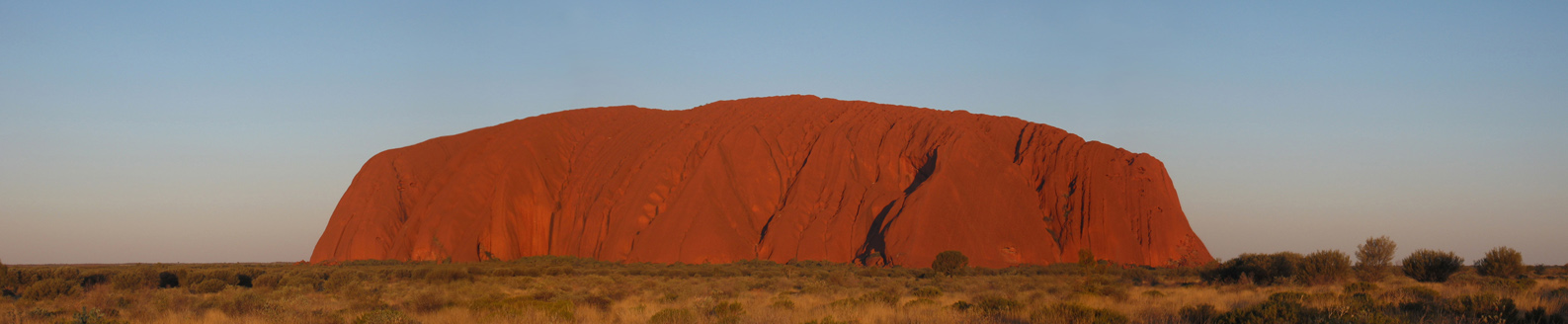
Darwin is the capital of the Northern Territory and has a population of about 124,000. There are two seasons in Darwin: wet and dry. Lucky for me the wet season is ending right now, so although it is rather rainy and incredibly humid at the moment, soon it will be dry, still hot, and sunny (or so I am told). Darwin is in prime cyclone zone, and was virtually wiped out by Cyclone Tracy in 1974 (people still talk about it). Darwin is also in the same territory as Uluru/Ayers Rock, which is a “short” 2,000 km (1,200 mi) away. Uluru is high on my destination list and I will be planning a trip there as soon as I am settled down and have a steady cash flow!
For the evening of St. Patrick’s Day George and I decided to celebrate our successful bungy jumps and have a bit of a night out. We ran into our friend Mariana, who we had hitchhiked with earlier, and accompanied her to her next boozing location, Buffalo Bar. It seemed like the typical St. Patty’s getup with green beer and the like, but quickly turned into a scene straight out of the movie Coyote Ugly. There were girls dancing on the bar and pool tables in white shirts and booty shorts, who the male bartenders would occasionally pour buckets of water over. The cash registers had to be covered to avoid damage from the water. All the while a Queenstown policeman stood in the corner, with a smile on his face. The place was incredibly trashy, but I can’t say I didn’t have a good time, especially after drinking some green beer.
On the 18th of March we hitchhiked to Te Anau, in Fiordland in the southwest. The following day we travelled for about an hour and a half to Milford Sound, one of New Zealand’s top tourist attractions. We began by trying to hitch there as usual, but after an hour of waiting and realizing the guys in front of us still hadn’t even been picked up, we decided to splurge and rent a car for the day. The drive from Te Anau to Milford Sound is beautiful, so I’m very glad we did. Not to mention that getting to drive on the left side of the road is always a thrill! Plus we were able to pick up the hitchhikers that had been in front of us (who waited for over three hours), as well as some others after them.
Invercargill, the southernmost city in New Zealand, was where we went on the 20th of March. We stayed two nights there, mostly because there were so many cool old buildings to look at. The town had a slightly depressing feel to it, as though its prime was 50 or 100 years ago and it didn’t have much going for it anymore. Nevertheless, we had a good time there. Invercargill has a very impressive Catholic church which we decided to attend for kicks, it was pretty much what you would expect, but still fulfilled my curiosity. We also went to the town’s museum, and went bowling.
We went to Dunedin next, a funky university town with many hills. We were lucky enough to be able to couchsurf with a very friendly Scottish girl named Jenny, her boyfriend Zak, and their many housemates. The day after we arrived we met Zak at Otago University (Otago is the name of the region) for a $3.00 lunch and to have a look around the uni. It was pretty cool to be back on a university campus, I got a very Western vibe. After that we went on a tour of Speight’s Brewery, and made sure to take full advantage of the free drinks at the end of it. In the evening we went with some of our couch hosts to Baldwin Street, which is the steepest (paved) street in the world! Overall, I really liked Dunedin and wish I could have been there longer. If/when I go back to New Zealand, I will go back to Dunedin and stay for a while.
Christchurch is where George and I flew back to Australia from. We stayed two nights there, and our time there had a very different vibe than anywhere else. The entire central business district (downtown) was blocked off and guarded. Our hostel didn’t have much evidence of damage, but just across the street from it an entire strip mall had been destroyed. We spent a couple hours walking around the town observing the damage, but after a bit it began to feel very wrong. I took a few photos but will not be posting them. There were many piles of bricks everywhere, large cracks in the concrete in the sidewalks and roads, and fallen down buildings. I have never seen as many orange cones as I saw in Christchurch. Near the CBD all buildings had a sign on them, either green if the place was all good, yellow if you can enter on essential business only, or red if it is unsafe and no one is to enter under any circumstances. Red also meant that the building would be demolished.
Outside of one house was a neat pile of bricks with a flag of sorts and some flowers on top. We wondered if someone had died there. As we looked around the fence at the house, where a refrigerator and some other kitchen items stood outside, a man walked down the sidewalk coming from the opposite direction. We continued on, catching eyes with him before he walked through the gate to the house he’d no doubt seen us peering at…
“Disaster tourism” had been something to joke about in Dunedin, but there was nothing funny about it once we got to Christchurch and saw the earthquake damage firsthand (over a month after the earthquake had occurred). There have been more than 1,000 aftershocks and they continue to happen and cause destruction. I felt a small one during the middle of the night when I was awake, it was small, but noticeable.
Christchurch was a rather sobering end to my time in New Zealand. Once back in Australia George and I were able to calculate some statistics about our time there, including many about the people that we hitched rides with:
•Total hitches: 52
•Number of people in car: one (73%), two (23%), three (4%)
•Gender of driver: male (75%), female (25%). It must be noted that 10% of hitches were with couples, most of which had the male driving.
•Age: young (48%), middle-aged (44%), older (10%)
•Residency: Citizen (69%), resident (15%), tourist (15%)
•Nationality: Kiwi (69%), French (8%), German (6%), English, American or Indian (4% each), South African, Brazilian or Mexican (2%) each
Over 45 nights total, accommodation was free many of them due to wwoofing (two weeks total) or couchsurfing (one week total). Due to this and using hitchhiking as a main mode of transport, I was able to travel New Zealand on the impressive budget of just under NZ$50 (approx US$37.50) per day! This figure is including flights (even the one I didn’t use), expensive sports like bungy jumping, food, etc. Everything!
We flew from Christchurch to Melbourne at 6 a.m. on the 26th of March, where we stayed with a friend named Liam, who goes to La Trobe University. On the first night we accompanied him to an Austrian club for a night of swing dancing. It was a very random night, many different ages dancing to jazz and swing music. Although I took swing dancing classes for many years, I can’t say I really busted out many moves from my old dancing days. However I did have a lot of fun.
We didn’t do too much in Melbourne, just went to some op shops (secondhand stores) and hung out with Liam and his housemates. Played multiple games of Risk. We also attended one of Liam’s lectures at La Trobe for his anthropology class. The lecture was about culture and it was full of information I’ve heard many times before in classes at Western. Nonetheless it was still cool to go to a lecture at an Australian university.
For the past two months George and I have been eating mostly vegetarian (there were several occasions where couch or wwoof hosts cooked meat so I ate some). Vegetarianism is something that I have seen the benefits of for a long time but never seriously considered. I always imagined endless salads and a stomach that was never fully satisfied. However, I have been pleasantly surprised with how delicious, filling and nutritious vegetarianism can be. We have been eating many soups, fresh vegetables, nuts, beans and muesli/granola.
For this reason, I have been compelled to take it to the next level and go vegan. This has commonly been a topic of discussion and I have now decided to try out veganism for a bit, perhaps until my Aussie visa runs out in three months. There are many reasons why I think going vegan is a beneficial decision. When buying food at a grocery store, even if you are buying “organic cage free” eggs, there is still no way to know what the conditions were like for the animals. As many documentaries and books will tell you, there are many environmental reasons to go vegetarian or vegan, for example that it takes significantly less water to make a kilo of corn than a kilo of beef.
However, the main reason driving me to try veganism is simply because eating animal products is not necessary. All of the vitamins, minerals and proteins we need can be obtained by eating plants and plant products. If you don’t need to eat animal products in order to survive in healthy way, why even bring animals into the equation? There is a lot of suffering going on because they are in the equation of the human diet. Going vegan is also an educational experience, from learning how to prepare a variety of vegan dishes, to learning how to maintain a balanced diet without relying on animal products. It’s also a personal challenge, something that forces me to think in a different way, take on a new perspective, experience things I wouldn’t have gotten the opportunity to experience otherwise.
At the wee hour of 1:45 am, George and I flew to Darwin, a four and a half hour plane ride north of Melbourne. The plan was to find a job here and stay for the rest of my visa. We got in at a quarter to five in the morning and slept for a few hours before going into town where the plan was check into a hostel, print resumes, and get jobs. Within the first four resumes, I had a trail shift for that night, at a bar called The Tap. For hospitality jobs in Australia, instead of having an interview it is common to come in for a couple hours generally unpaid trial shift to see how you go at working at the venue.
My trial shift went well and I was given the job, which is quite exciting. On Sunday I had a trial at an Irish pub called Kitty O'Sheas, and I'll be working there as well. Excitement on the job front.
Darwin is the capital of the Northern Territory and has a population of about 124,000. There are two seasons in Darwin: wet and dry. Lucky for me the wet season is ending right now, so although it is rather rainy and incredibly humid at the moment, soon it will be dry, still hot, and sunny (or so I am told). Darwin is in prime cyclone zone, and was virtually wiped out by Cyclone Tracy in 1974 (people still talk about it). Darwin is also in the same territory as Uluru/Ayers Rock, which is a “short” 2,000 km (1,200 mi) away. Uluru is high on my destination list and I will be planning a trip there as soon as I am settled down and have a steady cash flow!
Wednesday, March 16, 2011
N ZED [Day 262]
Many, many fun adventures since the last blog post.
The weather in Sydney before I left for Cairns was STIFLING. 30C+/90F+. Pretty intense considering neither my flat nor my workplace had air conditioning. It was similar in Cairns, a few degrees cooler actually but more humid. My first impression when I walked off the plane was that it felt like walking into the rainforest room in the zoo.
On Saturday the 5th of February I was finally able to fly into Cairns after the cyclone. I absolutely loved it there. Due to the disaster, I was only able to be there for a few days, but I think I did a good job of making the most of the short time I was there. I was couchsurfing and got on great with my hosts, there was also a Dutch girl named Eva staying there so we hung out together. We went on a boat tour and scuba dived and snorkelled on the Great Barrier Reef. Although it wasn't as spectacular as usual because of the cyclone - water somewhat murky, reef not as colorful - it was still amazing, and I loved diving. We also went to a town called Kuranda and walked through the rainforest, also amazing, I've spent very little time in rainforests so it was a bit of thrill.
Also in Cairns I was able to see Sondre, my long lost Norwegian brother! It was super cool to get to meet up with him and his friend Vetle, as it has been three and a half years since I saw him last. Amusingly, he hasn't changed (or matured, haha) a bit :)
After a few days (only! must go back) in Cairns I flew to Auckland where I met with my travel buddy George, who I know from Western. We didn't spend long there as we were both keen to get out of the city, and Auckland seems rather like Sydney in that it's not very unique compared to other big cities. Our next destination was the Great Barrier Island, which is 100 km/60 miles north of Auckland and requires taking a four hour ferry ride. There we met with George's friend Madeline who has been living there for a month. We wwoofed (WWOOF stands for Willing Workers on Organic Farms - where you volunteer for 4-6 hours a day in exchange for free room and board) at an Irish Pub there for four nights, and had a great time! We washed dishes about half the time and did yardwork the other half. It's pretty atypical to wwoof at a pub, they're usually farms. Quite enjoyed it though, and am thankful to Madeline for setting it up (she got hooked up there by wwoofing as well). The island isn't a very populated place and the scenery is beautiful. Some highlights included sea kayaking, being on a radio show, swimming, beaches and hitchhiking.
After that we went back to Auckland for a night before heading up north. Our main mode of transport in New Zealand has been hitchhiking. I realise this is a slightly controversial activity to partake in, but I must say in the many rides we have gotten, everyone has been incredibly friendly, down to earth, and not creepy. Kiwis are fantastic people. They're relaxed and welcoming to new people, much like Australians, however they don't seem to be racist like (most) Aussies. For example, their relationship with the indigenous people (Maori) is MUCH, MUCH better than Australians's relationship with the Aborigines. This is very obvious even when traveling around. For example, it's common, especially in places like museums, to have signs and descriptions in both Maori and English. Maori is also taught in the primary and high schools here. The government makes a point to spell words correctly (for example "Whangerei," when it is pronounced "Fangeray"), and to pronounce them correctly.
One bus ride out of the city, eight hours, seven rides and 270 km later, we arrived in Whangaroa, Northland. We spent two relaxing nights in a hostel there and climbed a massive rock. Then we went back down, past Auckland to a very small town called Pukekawa, where we stayed for two nights in a tiny hostel. The highlights of that town include an antique store and $3 triple scoop ice cream.
Our next destination on the 20th of February was Tauranga, on the Bay of Plenty. We had a few different rides there, most noteworthy with a Kiwi couple named Keith and Joanne, who not only were incredibly welcoming to us and treated us like old friends showing us around to open pit gold mines and such, but they also told engaging stories. They both lived in Antarctica for multiple months many years ago. After hearing of the beauty of the place, I admit I am tempted to try to find a job down there for a few months...
We couchsurfed in Tauranga with some very friendly Kiwis who pick strawberries, one of which started his own strawberry business (and he's only 22, very impressive). They lived in Papamoa beach, which was quite nice. We climbed Mt. Maunganui, good times. Our next hitchhiking adventure led us to Taupo via Rotorua, where we stopped to go zorbing. Zorbing is essentually rolling down a hill in a plastic ball (with water in it, in this case). It's something I did a few years ago in England and have ever since dreamt of doing in NZ, because it is from Rotorua. It was a special moment for me to be able to complete that dream.
Before I continue it must be noted that on the 22nd of February there was a devastating earthquake in Christchurch in the Canterbury region. It is a national disaster and has been very sad to see and hear the news about it. However, I am very impressed with how much Kiwis have come together to help out those in Christchurch during this disaster. There are fundraisers happening everywhere, and all of the cities are welcoming the Christchurch refugees with open arms.
We stayed in Taupo for a bit before heading down to Wellington, which in some ways has been the highlight of the trip so far for me. It is a funky, artsy town with lots of cool creative things going on all over the place. One example of this that I was lucky to be able to participate in was an audio interactive tour "Hidden City Maps." This was part of the Performance Arcade, "a line of eight shipping containers, providing a series of miniature presentation spaces for selected NZ artists and designers. Opening onto the bustling life of Wellington’s waterfront, these sites of encounter engage and entertain through installation, performance art, and video."
I borrowed an mp3 player and listened to an hour-long track narrated by a woman who told stories of coming to Wellington and her time there. I was given a bag with three envelopes to be opened when told by the woman. They included: a magnifying glass (to look small things with and imagine miniature civilizations), chalk (to write a memory with), red rocks (to put on a forgotten path), white feathers (to drop one by one from a high place) and a red ribbon (to hang, see photo on facebook). I very much enjoyed this tour, I was surprised by coincidences that occured and it took me on a bit of a mindtrip.
Afterwards George and I went to a free outdoor circus, Campground Chaos. It was a very impressive mix of acrobatics, juggling, humour, and acting. It also featured some awesome Kiwi music. We couchsurfed that night at the next with a lovely couple, Drew and Erin, and their son Blake. We went with them to the Wellington markets and then hit up Te Papa, the national museum.
Some random things I learned at Te Papa:
* Kiwis eat more vegemite per capita than Aussies
* Kiwifruit (the name here, instead of just kiwis in the USA) is actually from China, and was called Chinese gooseberries until they were renamed to be more marketable
* Jandals (Kiwi word for flip flops/thongs) come from Japanese sandals, because they became popular in NZ after the Kiwis saw the Japanese wearing them at the Olympics
* The name New Zealand comes from the Dutch explorer Abel Tasman who came here in 1642 and named the land Nieuw Zeeland after the Dutch province
* In the 1840s you could get a free ride to NZ from Britain if you were a single female under 40, a single male accompanied by an adult sister, or a married male under 40 who had certain skills
On the 28th of February we took the ferry from Wellington to Picton, on the South Island. It was a beautiful three hour ride, in which we made some new friends. We then hitchhiked to a small town called Blenheim, where we wwoofed for five days for a couple, Ruth and Dominic. We performed a variety of tasks, including irrigation of olive trees, pasture management (weeding), collecting firewood (I used a chainsaw for the first time), helping to give medicine to 30 goats (!) and cleaning windows when it was rainy. We only worked about four hours a day so we had a lot of free time. There were many animals on the farm, so we befriended the cows, rode the horse, and looked at the chickens. They also had a motorbike which we rode one night at sunset to the top of the hills, which resulted in many photos. Ruth and Dominic had a nice house and a well-stocked kitchen, which we took full advantage of. One of the major benefits of wwoofing!
After our time there was complete on the 5th of March we decided to head to the lovely town of Nelson for a couple days and check out some beaches and a famous church. Unfortunately the weather wasn't too good. We then hitched to Punakaiki, and were picked up by an awesome Brazilian woman named Mariana who we ended up traveling with for multiple days. In Punakaiki we stayed at an awesome hostel. We checked out the Pancake Rocks and a cave with Mariana before driving on to Greymouth. It wasn't the most excited place so we took the opportunity to see 127 Hours, which was an amazing movie that I highly recommend.
On the 9th of March I went with Mariana, George, and Erika from Slovakia through Arthur's Pass, where we drove over the Otira viaduct and saw many kea birds. We then headed to the small town of Ahaura, and after 29 km (18 miles) down a gravel road we were at our next wwoofing destination. Our host was Pav, a very laid back man who lives off the grid and gets his water and power from a stream 30 minutes up the mountain from "The Hutt." He has two sons, Sully (age 2) and Miro (age 3). During the whole time we were there I saw them wear pants for about 20 minutes total, if that gives you an idea of the kind of atmosphere this was.
Pav's got 100 acres, many of which are bush. However he does have a hundred or two brown sheep, different from white ones you usually see around here. He got them because they are rugged and self-sustaining, so they keep his grass short without him having to do much. Mariana, George and I stayed in a teepee, complete with mosquite netting over the beds due to the insane amount of bugs. The first night I had two inches of ankle exposed while walking around outside, which got COVERED in sandfly bites. They're smaller and less itchy than mosquito bites, but I got ten times more of them than I usually would mosquito bites. I'm still getting the occasional itch attack.
Our first day of work at Pav's was cleaning out a van for a wwoofer JC from Washington DC, who came the next day. After that we helped protect plum trees from sheep, gave them water, and built a roof for the van. On the property there was an outdoor flushed toilet (hands down best shitting location I've ever encountered) and two outdoor bathtubs overlooking the mountains (and, best bath location).
On our last full day there Pav, his sons, their mother Erin, JC from DC, George and I walked to a nearby creek for skinny dipping at the swimming hole. It was a complete occasion with mead (which Pav is dripping with) and legal New Zealand green. Success.
On the 14th of March we hitched to Franz Joseph, where we spent two nights and spent the day in between seeing the glacier. It was a very nice one hour walk from the town to the glacier through the rainforest. The glacier was cool, we also climbed some hills and rocks around it which was quite fun. That evening we went on a walk to see the glow worms! Very cool.
Now we are in Queenstown, one of the biggest tourist spots in New Zealand. We arrived last night and went bungy jumping this morning at Australasia's highest! 134 metres, 440 feet. AND they have free internet! During the jump one of my shoes came off. Luckily I got them for cheap at a second hand shop in Wellington. The video of it was quite funny, however I couldn't manage to spend $75 on it.
Only nine more days in New Zealand, and then back to Australia! Greetings to all of you far away.
The weather in Sydney before I left for Cairns was STIFLING. 30C+/90F+. Pretty intense considering neither my flat nor my workplace had air conditioning. It was similar in Cairns, a few degrees cooler actually but more humid. My first impression when I walked off the plane was that it felt like walking into the rainforest room in the zoo.
On Saturday the 5th of February I was finally able to fly into Cairns after the cyclone. I absolutely loved it there. Due to the disaster, I was only able to be there for a few days, but I think I did a good job of making the most of the short time I was there. I was couchsurfing and got on great with my hosts, there was also a Dutch girl named Eva staying there so we hung out together. We went on a boat tour and scuba dived and snorkelled on the Great Barrier Reef. Although it wasn't as spectacular as usual because of the cyclone - water somewhat murky, reef not as colorful - it was still amazing, and I loved diving. We also went to a town called Kuranda and walked through the rainforest, also amazing, I've spent very little time in rainforests so it was a bit of thrill.
Also in Cairns I was able to see Sondre, my long lost Norwegian brother! It was super cool to get to meet up with him and his friend Vetle, as it has been three and a half years since I saw him last. Amusingly, he hasn't changed (or matured, haha) a bit :)
After a few days (only! must go back) in Cairns I flew to Auckland where I met with my travel buddy George, who I know from Western. We didn't spend long there as we were both keen to get out of the city, and Auckland seems rather like Sydney in that it's not very unique compared to other big cities. Our next destination was the Great Barrier Island, which is 100 km/60 miles north of Auckland and requires taking a four hour ferry ride. There we met with George's friend Madeline who has been living there for a month. We wwoofed (WWOOF stands for Willing Workers on Organic Farms - where you volunteer for 4-6 hours a day in exchange for free room and board) at an Irish Pub there for four nights, and had a great time! We washed dishes about half the time and did yardwork the other half. It's pretty atypical to wwoof at a pub, they're usually farms. Quite enjoyed it though, and am thankful to Madeline for setting it up (she got hooked up there by wwoofing as well). The island isn't a very populated place and the scenery is beautiful. Some highlights included sea kayaking, being on a radio show, swimming, beaches and hitchhiking.
After that we went back to Auckland for a night before heading up north. Our main mode of transport in New Zealand has been hitchhiking. I realise this is a slightly controversial activity to partake in, but I must say in the many rides we have gotten, everyone has been incredibly friendly, down to earth, and not creepy. Kiwis are fantastic people. They're relaxed and welcoming to new people, much like Australians, however they don't seem to be racist like (most) Aussies. For example, their relationship with the indigenous people (Maori) is MUCH, MUCH better than Australians's relationship with the Aborigines. This is very obvious even when traveling around. For example, it's common, especially in places like museums, to have signs and descriptions in both Maori and English. Maori is also taught in the primary and high schools here. The government makes a point to spell words correctly (for example "Whangerei," when it is pronounced "Fangeray"), and to pronounce them correctly.
One bus ride out of the city, eight hours, seven rides and 270 km later, we arrived in Whangaroa, Northland. We spent two relaxing nights in a hostel there and climbed a massive rock. Then we went back down, past Auckland to a very small town called Pukekawa, where we stayed for two nights in a tiny hostel. The highlights of that town include an antique store and $3 triple scoop ice cream.
Our next destination on the 20th of February was Tauranga, on the Bay of Plenty. We had a few different rides there, most noteworthy with a Kiwi couple named Keith and Joanne, who not only were incredibly welcoming to us and treated us like old friends showing us around to open pit gold mines and such, but they also told engaging stories. They both lived in Antarctica for multiple months many years ago. After hearing of the beauty of the place, I admit I am tempted to try to find a job down there for a few months...
We couchsurfed in Tauranga with some very friendly Kiwis who pick strawberries, one of which started his own strawberry business (and he's only 22, very impressive). They lived in Papamoa beach, which was quite nice. We climbed Mt. Maunganui, good times. Our next hitchhiking adventure led us to Taupo via Rotorua, where we stopped to go zorbing. Zorbing is essentually rolling down a hill in a plastic ball (with water in it, in this case). It's something I did a few years ago in England and have ever since dreamt of doing in NZ, because it is from Rotorua. It was a special moment for me to be able to complete that dream.
Before I continue it must be noted that on the 22nd of February there was a devastating earthquake in Christchurch in the Canterbury region. It is a national disaster and has been very sad to see and hear the news about it. However, I am very impressed with how much Kiwis have come together to help out those in Christchurch during this disaster. There are fundraisers happening everywhere, and all of the cities are welcoming the Christchurch refugees with open arms.
We stayed in Taupo for a bit before heading down to Wellington, which in some ways has been the highlight of the trip so far for me. It is a funky, artsy town with lots of cool creative things going on all over the place. One example of this that I was lucky to be able to participate in was an audio interactive tour "Hidden City Maps." This was part of the Performance Arcade, "a line of eight shipping containers, providing a series of miniature presentation spaces for selected NZ artists and designers. Opening onto the bustling life of Wellington’s waterfront, these sites of encounter engage and entertain through installation, performance art, and video."
I borrowed an mp3 player and listened to an hour-long track narrated by a woman who told stories of coming to Wellington and her time there. I was given a bag with three envelopes to be opened when told by the woman. They included: a magnifying glass (to look small things with and imagine miniature civilizations), chalk (to write a memory with), red rocks (to put on a forgotten path), white feathers (to drop one by one from a high place) and a red ribbon (to hang, see photo on facebook). I very much enjoyed this tour, I was surprised by coincidences that occured and it took me on a bit of a mindtrip.
Afterwards George and I went to a free outdoor circus, Campground Chaos. It was a very impressive mix of acrobatics, juggling, humour, and acting. It also featured some awesome Kiwi music. We couchsurfed that night at the next with a lovely couple, Drew and Erin, and their son Blake. We went with them to the Wellington markets and then hit up Te Papa, the national museum.
Some random things I learned at Te Papa:
* Kiwis eat more vegemite per capita than Aussies
* Kiwifruit (the name here, instead of just kiwis in the USA) is actually from China, and was called Chinese gooseberries until they were renamed to be more marketable
* Jandals (Kiwi word for flip flops/thongs) come from Japanese sandals, because they became popular in NZ after the Kiwis saw the Japanese wearing them at the Olympics
* The name New Zealand comes from the Dutch explorer Abel Tasman who came here in 1642 and named the land Nieuw Zeeland after the Dutch province
* In the 1840s you could get a free ride to NZ from Britain if you were a single female under 40, a single male accompanied by an adult sister, or a married male under 40 who had certain skills
On the 28th of February we took the ferry from Wellington to Picton, on the South Island. It was a beautiful three hour ride, in which we made some new friends. We then hitchhiked to a small town called Blenheim, where we wwoofed for five days for a couple, Ruth and Dominic. We performed a variety of tasks, including irrigation of olive trees, pasture management (weeding), collecting firewood (I used a chainsaw for the first time), helping to give medicine to 30 goats (!) and cleaning windows when it was rainy. We only worked about four hours a day so we had a lot of free time. There were many animals on the farm, so we befriended the cows, rode the horse, and looked at the chickens. They also had a motorbike which we rode one night at sunset to the top of the hills, which resulted in many photos. Ruth and Dominic had a nice house and a well-stocked kitchen, which we took full advantage of. One of the major benefits of wwoofing!
After our time there was complete on the 5th of March we decided to head to the lovely town of Nelson for a couple days and check out some beaches and a famous church. Unfortunately the weather wasn't too good. We then hitched to Punakaiki, and were picked up by an awesome Brazilian woman named Mariana who we ended up traveling with for multiple days. In Punakaiki we stayed at an awesome hostel. We checked out the Pancake Rocks and a cave with Mariana before driving on to Greymouth. It wasn't the most excited place so we took the opportunity to see 127 Hours, which was an amazing movie that I highly recommend.
On the 9th of March I went with Mariana, George, and Erika from Slovakia through Arthur's Pass, where we drove over the Otira viaduct and saw many kea birds. We then headed to the small town of Ahaura, and after 29 km (18 miles) down a gravel road we were at our next wwoofing destination. Our host was Pav, a very laid back man who lives off the grid and gets his water and power from a stream 30 minutes up the mountain from "The Hutt." He has two sons, Sully (age 2) and Miro (age 3). During the whole time we were there I saw them wear pants for about 20 minutes total, if that gives you an idea of the kind of atmosphere this was.
Pav's got 100 acres, many of which are bush. However he does have a hundred or two brown sheep, different from white ones you usually see around here. He got them because they are rugged and self-sustaining, so they keep his grass short without him having to do much. Mariana, George and I stayed in a teepee, complete with mosquite netting over the beds due to the insane amount of bugs. The first night I had two inches of ankle exposed while walking around outside, which got COVERED in sandfly bites. They're smaller and less itchy than mosquito bites, but I got ten times more of them than I usually would mosquito bites. I'm still getting the occasional itch attack.
Our first day of work at Pav's was cleaning out a van for a wwoofer JC from Washington DC, who came the next day. After that we helped protect plum trees from sheep, gave them water, and built a roof for the van. On the property there was an outdoor flushed toilet (hands down best shitting location I've ever encountered) and two outdoor bathtubs overlooking the mountains (and, best bath location).
On our last full day there Pav, his sons, their mother Erin, JC from DC, George and I walked to a nearby creek for skinny dipping at the swimming hole. It was a complete occasion with mead (which Pav is dripping with) and legal New Zealand green. Success.
On the 14th of March we hitched to Franz Joseph, where we spent two nights and spent the day in between seeing the glacier. It was a very nice one hour walk from the town to the glacier through the rainforest. The glacier was cool, we also climbed some hills and rocks around it which was quite fun. That evening we went on a walk to see the glow worms! Very cool.
Now we are in Queenstown, one of the biggest tourist spots in New Zealand. We arrived last night and went bungy jumping this morning at Australasia's highest! 134 metres, 440 feet. AND they have free internet! During the jump one of my shoes came off. Luckily I got them for cheap at a second hand shop in Wellington. The video of it was quite funny, however I couldn't manage to spend $75 on it.
Only nine more days in New Zealand, and then back to Australia! Greetings to all of you far away.
Subscribe to:
Comments (Atom)